Outfit Tips for a Children’s Photoshoot
Choosing outfits for your child’s photoshoot can feel more complicated than it needs to be.
You want your child to look lovely, but you also want them to feel comfortable. You may be wondering what colours photograph well, whether patterns are okay, if siblings should match, what to do if your child refuses the outfit, or whether it is better to dress them smartly or keep things more natural.
For children aged 2 to 7, the most important thing to remember is this: the best outfit is not only the one that looks beautiful in photos, but the one your child can actually move, play, sit, run, cuddle, and feel like themselves in.
At this age, children are full of personality. Some are shy at first, some are full of energy, some want to explore everything, and some need a little time before they feel comfortable. Their outfit should support that, not work against it.
This guide will help you choose clothes that photograph beautifully while keeping your child relaxed and happy during the session.
Start with comfort before style
A children’s photoshoot is not the best time to choose an outfit that looks beautiful but feels uncomfortable.
If the fabric is itchy, the collar is too tight, the shoes are stiff, or the dress is too delicate to sit down in, your child will usually show that discomfort in the photos. They may keep pulling at the clothes, refuse to move naturally, or become upset before the session has really started.
For children aged 2 to 7, comfort affects confidence. When they feel physically comfortable, they are more likely to play, laugh, explore, and interact naturally.
Choose clothes your child can move in easily. They should be able to sit on the floor, hold your hand, run a little, climb safely if we are outdoors, and cuddle without feeling restricted.
Soft cotton, linen blends, knitted textures, relaxed dresses, simple dungarees, cardigans, leggings, trousers with an elasticated waist, and comfortable shirts usually work very well.
This does not mean the outfit has to be plain or boring. It simply means the clothes should feel good on your child’s body, not just look good on a hanger.
Avoid outfits that feel too “perfect”
A lot of parents feel pressure to dress their child in something very polished for photos. A formal dress, a tiny suit, a stiff shirt, or brand-new shoes might seem like the “proper” choice.
But children’s photography is often most beautiful when the child still looks like a child.
For ages 2 to 7, the magic is usually in the real details: the way they hold your hand, the way they run towards you, the way they look at a flower, the way they laugh with their sibling, or the little expressions they make when they are thinking.
An outfit should frame those moments, not overpower them.
Instead of aiming for overly formal, think natural, soft, timeless, and comfortable. A simple dress with a cardigan can look beautiful. A neutral jumper with trousers can photograph wonderfully. A linen shirt, knitted jumper, textured cardigan, or soft romper-style outfit for younger children can feel much more natural than something stiff and formal.
The goal is not to make your child look like someone else. The goal is to photograph them beautifully as they are now.
Choose colours that keep the focus on your child
Colour makes a big difference in children’s photography.
Soft, neutral, earthy, and muted tones usually photograph best because they keep the attention on your child’s face, expressions, and connection with you.
Good colour choices include cream, beige, oatmeal, white, soft brown, dusty pink, sage green, muted blue, warm grey, rust, terracotta, soft denim, ivory, and gentle pastels.
These colours work especially well for natural outdoor photoshoots because they blend beautifully with parks, trees, fields, gardens, and soft natural light. They also work well indoors because they create a calm and timeless look.
Very bright colours can sometimes reflect onto the skin or pull attention away from your child’s face. Neon pink, bright red, strong orange, electric blue, or very bold green can be harder to photograph softly, especially in natural light.
This does not mean colour is banned. If your child loves colour, we can absolutely include it. The key is choosing softer versions of those colours. For example, instead of bright red, choose rust or burgundy. Instead of neon pink, choose dusty rose. Instead of strong blue, choose soft denim or muted navy.
Be careful with busy patterns and big logos
Patterns can work beautifully, but they need to be chosen carefully.
Small floral prints, delicate checks, soft stripes, subtle textures, and classic patterns can add personality without overwhelming the photo.
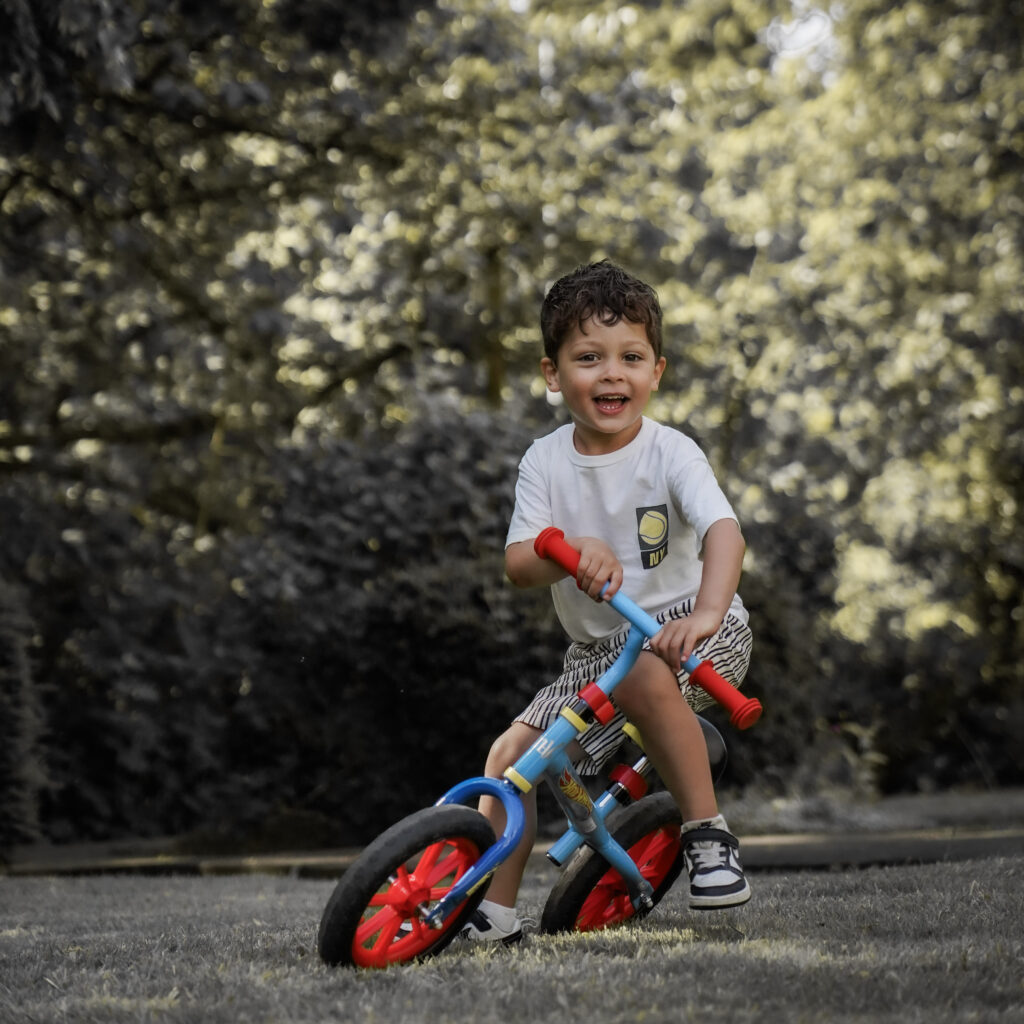
The patterns to be more careful with are very bold prints, large cartoon characters, big brand logos, strong graphic designs, or anything with words across the front. These can quickly become the first thing people notice in the photo.
When the outfit is too busy, the eye goes to the clothes before it goes to your child’s face. Years later, those designs can also make the photo feel more dated.
If you love patterns, choose one patterned piece and keep the rest of the outfit simple. For example, a floral dress with a plain cardigan, a checked shirt with neutral trousers, or a soft patterned skirt with a plain top.
For sibling or family photos, it is usually better if only one person wears a pattern and everyone else wears softer, simpler tones that complement it.
Think about texture, not just colour
Texture photographs beautifully.
A cream knitted cardigan, a linen shirt, a corduroy dress, a cotton romper, a soft jumper, a muslin dress, denim, wool, ribbed leggings, or a simple cotton blouse can add depth to the photos without making the outfit look busy.
Texture is especially useful if you prefer neutral colours. A cream jumper and beige trousers might sound simple, but if the fabrics have texture, the final look can feel soft, warm, and interesting.
For children’s photography, textures often look more timeless than bold prints. They add detail in a quiet way.
This is why knitted pieces, cardigans, linen, cotton, denim, corduroy, and soft layers are often a lovely choice for ages 2 to 7.
Dress for the location
The best outfit also depends on where the photoshoot takes place.
For an outdoor photoshoot in a park, garden, woodland, or open field, relaxed outfits usually work best. Your child may walk through grass, sit on a blanket, hold leaves, run around, or explore. Clothes should be practical enough for movement, but still beautiful enough for portraits.
For outdoor sessions, earthy and natural tones are usually a safe choice. Cream, beige, brown, soft green, denim, rust, and warm neutrals work well with natural backgrounds.
For an indoor lifestyle session, softer and lighter colours can help create a calm feeling. Simple dresses, knitted pieces, comfortable trousers, plain tops, and bare feet or soft socks can look very natural at home.
For a more styled studio-style session, the outfit can be a little more polished, but comfort still matters. A beautiful dress, simple shirt, knitted vest, or classic trousers can work well, as long as your child can still move freely.
The outfit should match the feeling of the location. A very formal outfit can feel out of place in a muddy park. A very casual outfit might feel too unfinished for a more styled portrait session. The right balance depends on the session style.
Plan for movement
Children aged 2 to 7 rarely sit still for long, and that is completely normal.
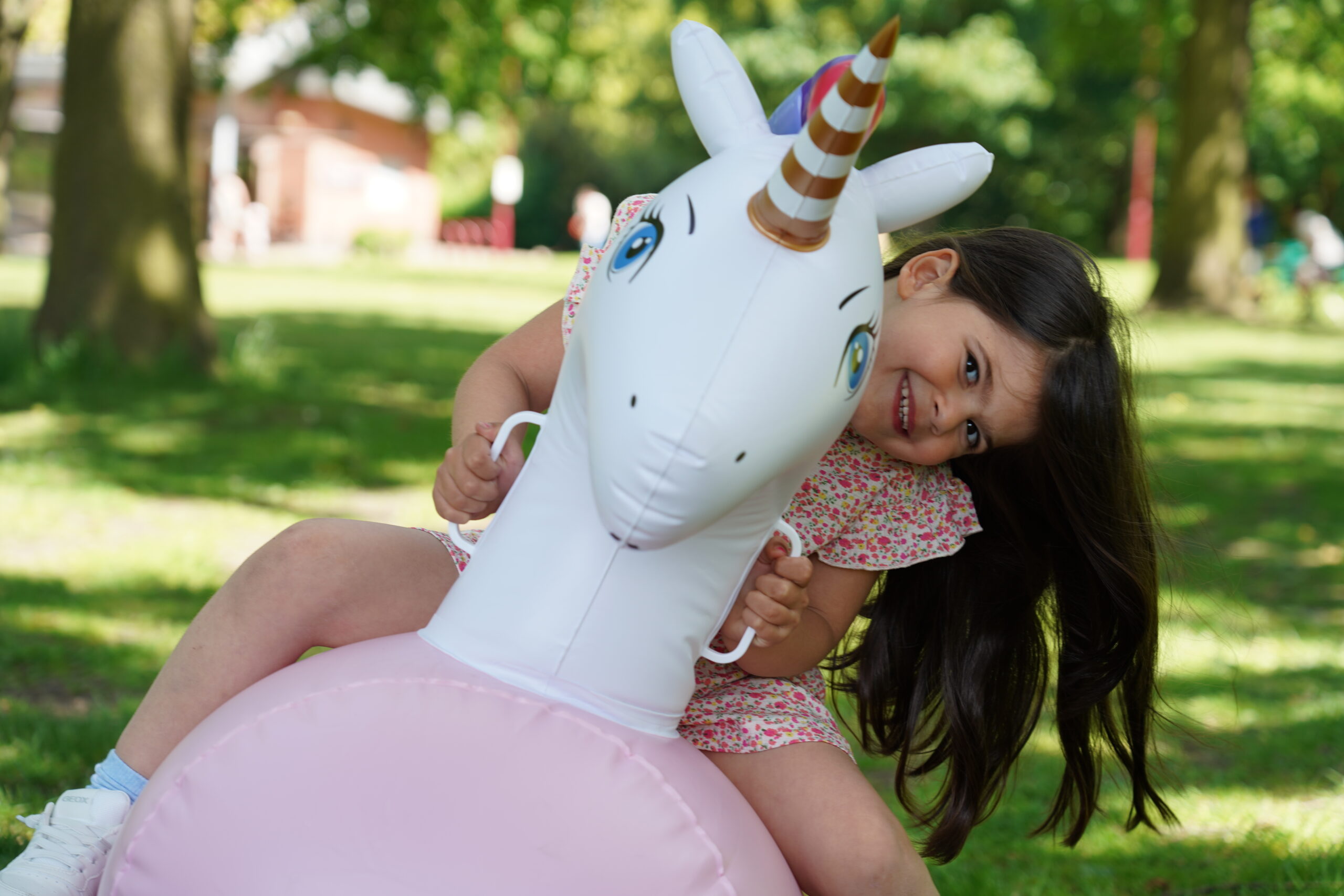
During a photoshoot, your child may walk, run, spin, jump, sit, cuddle, hide behind you, hold a toy, or need little breaks. Their outfit should allow all of that.
For girls, if you choose a dress, make sure it is not too short or too tight. A dress that moves nicely can look beautiful in photos, especially if your child likes spinning or walking. But if the dress constantly rides up, feels scratchy, or stops them from sitting comfortably, it can become stressful.
For boys, trousers should not be too stiff or tight. If jeans are uncomfortable, choose softer denim, chinos, cords, or relaxed trousers. Shirts should allow arm movement, especially if we are doing playful photos with parents or siblings.
Shoes matter too. If shoes are brand new, tight, slippery, or difficult to walk in, they can quickly affect your child’s mood. Comfortable shoes are much better than perfect-looking shoes that your child hates wearing.
Bring layers
Layers are one of the easiest ways to make an outfit look more complete.
A cardigan, knitted jumper, denim jacket, soft coat, waistcoat, or simple overshirt can add variety without needing a full outfit change.
Layers are also practical, especially for outdoor sessions in the UK where the weather can change quickly. If your child gets cold, they can stay comfortable. If they get warm, we can remove the layer and create a slightly different look.
Layers also help when children feel shy. Some children feel safer holding onto a cardigan, keeping their coat on at first, or having something familiar around them. We can always remove layers once they relax.
For photos, layers create softness and movement. A cardigan slipping slightly from a shoulder, a jumper held in little hands, or a coat wrapped around a child can add a natural feeling to the image.
Do not force a child into an outfit they strongly dislike
This is a big one.
If your child really dislikes an outfit, it is usually better not to force it.
A child who feels upset before the session even begins may find it harder to relax. The photoshoot should feel like a positive experience, not a battle about clothes.
If there is an outfit you love, try it on a few days before the session. Let your child wear it for a little while at home. Check if anything bothers them. See if they can move comfortably in it.
For children who like having control, offer two outfit options that you are happy with and let them choose between them. This gives them a sense of independence while still keeping the final look suitable for the photos.
For example, you might say: “Would you like to wear the cream jumper or the blue cardigan?” rather than “What do you want to wear?” This avoids ending up with a superhero costume unless that is intentionally part of the session.
If your child has a favourite item that is not your first choice, we can still work with it. Sometimes including something they love helps them feel more relaxed. We may use it for a few photos, then gently move into the planned outfit once they feel settled.
Prepare the outfit in advance
The morning of the photoshoot is not the best time to discover that something is too small, stained, missing a button, or uncomfortable.
A few days before the session, lay everything out together: clothes, shoes, socks, hair accessories, coats, cardigans, and any backup items.
Check the full outfit from head to toe. Sometimes the main outfit is lovely, but the socks are too bright, the shoes do not match, or the hair clip feels distracting.
Try the outfit on your child if possible. This is especially important for younger children, because something that looked fine in the wardrobe might feel uncomfortable once they wear it.
Also think about practical details. Can your child go to the toilet easily in the outfit? Can they sit down? Can they run safely? Are the shoes suitable for the location? Is the outfit warm enough?
These small checks can make the session feel much smoother.
Bring a backup outfit
For children aged 2 to 7, a backup outfit is always a good idea.
Spills happen. Mud happens. Snacks happen. Toilet accidents can happen with younger children. Sometimes a child simply decides they no longer want to wear something.
A second outfit does not need to be completely different. It can be a simple spare top, an extra pair of trousers, another dress, or a cardigan.
If we are outdoors, also bring wipes, tissues, and possibly a small towel or blanket. If the ground is damp, a neutral blanket can be useful for seated photos.
A backup outfit gives everyone peace of mind. Even if we do not use it, it helps you feel less stressed.
Coordinate siblings without making them identical
If siblings are included in the photoshoot, their outfits should look connected but not exactly the same.
Matching outfits can sometimes look cute, but they can also feel a little too staged. Coordinating usually photographs better.
Choose a colour palette of 2 to 4 colours, then dress each child in a slightly different way within that palette.
For example:
cream, beige, and soft blue
sage green, white, and denim
dusty pink, oatmeal, and brown
rust, cream, and soft grey
One child might wear a patterned dress while the other wears a plain jumper that picks up one colour from the pattern. Or one child might wear a linen shirt while the other wears a knitted cardigan in a similar tone.
The aim is for the children to look like they belong in the same story, not like they are wearing a uniform.
Also think about personality. If one child is more playful and one is more quiet, their outfits can reflect that slightly while still feeling connected.
Parents’ outfits matter too
Even if the focus is on your child, parents are often part of the session, even for a few cuddly or playful photos.
Your outfit does not need to match your child exactly, but it should not clash.
If your child is wearing soft, neutral colours, try to avoid very bright or distracting colours yourself. Neutral, earthy, or muted tones usually work beautifully for family photos.
Avoid large logos, very busy patterns, and colours that compete strongly with your child’s outfit. If your child is wearing a patterned dress, choose something simple for yourself. If your child is in plain colours, you can add texture through knitwear, linen, denim, or a soft coat.
The most important thing is that you feel comfortable too. If you are constantly adjusting your clothes, worrying about how you look, or feeling uncomfortable, that can affect how relaxed you feel in the photos.
Keep hair and accessories simple
Accessories can add a lovely touch, but they should not become the main focus.
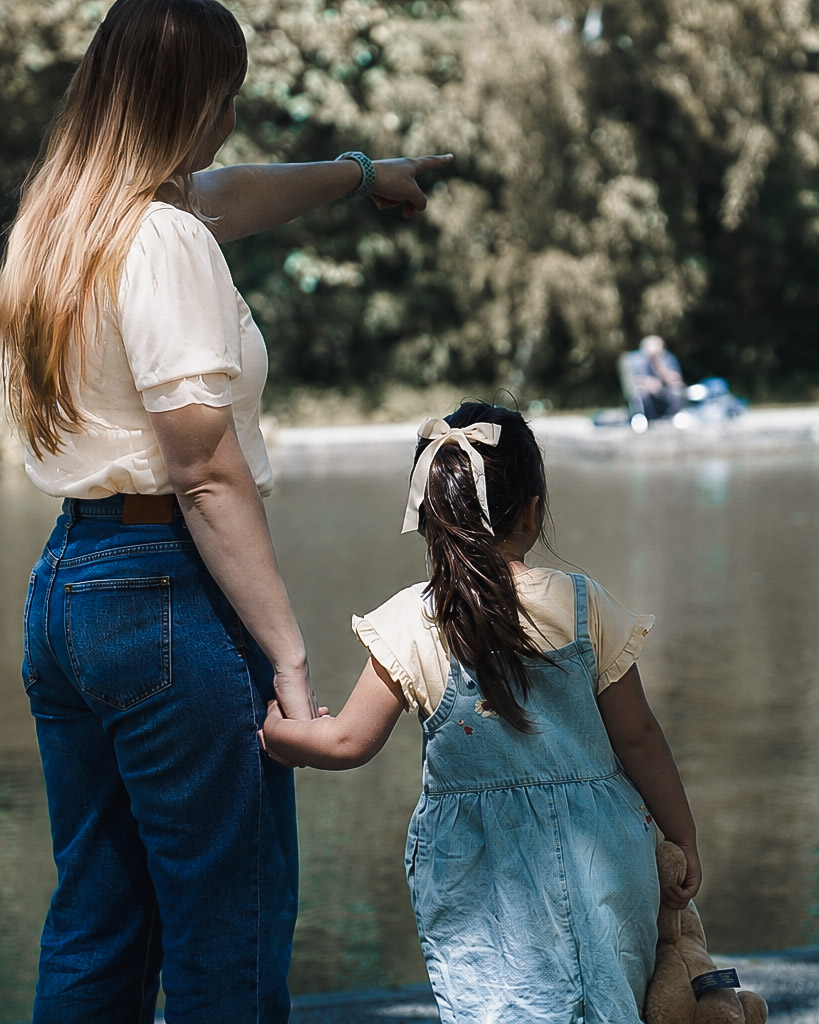
Simple hair clips, bows, headbands, hats, bonnets, cardigans, or small sentimental items can work well if they suit your child and the style of the session.
Try to avoid accessories that your child will constantly pull off, chew, or feel annoyed by. If they do not usually wear headbands, the photoshoot may not be the best time to introduce one.
For hair, a natural look is usually best. You do not need anything too perfect. Children move, play, and run, so hair will naturally change during the session. That is part of photographing real childhood.
If your child’s hair falls into their face easily, bring a small brush, clips, or hair ties just in case.
Think twice before choosing character clothing
Many children love clothing with favourite characters, superheroes, princesses, or cartoons. These items may be special to them, and there is nothing wrong with that in everyday life.
For timeless portraits, however, character clothing can become distracting. The photo may end up feeling more about the character on the shirt than your child.
If your child feels very attached to a character outfit, one option is to bring it as an extra rather than making it the main outfit. We can take a few fun photos with it, especially if it helps your child relax, and then move on to the main outfit.
This can be a good compromise between your child’s personality and your wish for more timeless photographs.
Do not worry if the outfit is not “perfect”
Parents often worry that they need to get every detail right.
But the truth is, the outfit is only one part of the photo. Connection, expression, light, movement, and your child’s personality matter much more.
A simple outfit with a relaxed child will always photograph better than a perfect outfit with a stressed child.
If your child arrives with slightly messy hair, a favourite toy in hand, or shoes that are not exactly what you imagined, it is okay. Those details are often part of their story at this age.
The goal is not perfection. The goal is to create photographs that feel warm, honest, and beautiful.
What I usually recommend
For a children’s photoshoot, I usually recommend choosing outfits that are:
comfortable
soft in colour
easy to move in
free from large logos
not too formal
not too distracting
suitable for the location
connected with the rest of the family’s outfits
true to your child’s personality
A good children’s outfit should feel beautiful, but it should also let your child be a child.
Final thoughts
Choosing what your child should wear for a photoshoot does not need to feel overwhelming.
Start with comfort, choose colours that feel soft and timeless, avoid anything too distracting, and think about how your child naturally moves and behaves.
The best photographs usually happen when children feel relaxed, not when every detail is perfectly controlled.
So bring the lovely outfit, bring the backup, bring the cardigan, bring the wipes, and bring a little patience too.
Your child does not need to perform for the camera. They just need to feel comfortable enough to be themselves.
If you would like to see how natural children’s and family photos can look, you can browse my children and family photography gallery here.
FAQs
Should I buy a new outfit for my child’s photoshoot?
You can, but you do not have to. Sometimes an outfit your child has already worn and feels comfortable in works better than something brand new. If you do buy something new, let your child try it on before the session to make sure it feels comfortable.
Can my child wear bright colours?
Yes, but softer versions of colours usually photograph better. For example, dusty pink, muted blue, rust, sage green, or soft yellow will usually look more timeless than neon or very bold colours.
What should my child wear for an outdoor photoshoot?
Choose clothes they can move in easily. Comfortable shoes, layers, and natural colours work well outdoors. Think about the season too. In colder months, a nice coat or cardigan can be part of the outfit rather than something you have to hide.
Should siblings wear matching outfits?
They do not need to match exactly. Coordinated outfits usually look more natural. Choose colours that work well together and avoid dressing every child in the exact same outfit unless that is the specific style you love.
What if my child refuses to wear the outfit on the day?
Try not to panic. Bring one or two backup options and avoid turning it into a battle. A calm, happy child in a slightly different outfit will photograph better than an upset child in the “perfect” outfit.
Are shoes important for a children’s photoshoot?
Yes, especially for outdoor sessions. Shoes should be clean, comfortable, and suitable for the location. Avoid brand-new shoes if your child has not worn them before, as they may feel uncomfortable.
Can my child bring a favourite toy?
Yes. A favourite toy can help younger children feel safe and relaxed. We may include it in a few photos or keep it nearby as comfort. It does not have to be in every image.
What should parents wear if they are joining the photos?
Parents should choose outfits that complement the child’s clothing without matching too much. Soft, neutral, or muted tones usually work well. Avoid large logos, very bold patterns, or colours that distract from the child.
How many outfits should I bring?
For most children, one main outfit and one backup outfit is enough. Too many outfit changes can make younger children tired or frustrated. If you want variety, layers are often easier than full outfit changes.
What should I avoid completely?
Avoid clothes that are itchy, too tight, too short, difficult to move in, covered in large logos, or strongly disliked by your child. Anything that makes your child uncomfortable is usually not worth it, even if it looks beautiful.